9 April 2024

Article-at-a-Glance
- Physical therapy enhances mobility, reduces pain, and prevents further injury.
- Key techniques include manual therapy, therapeutic exercises, and electrotherapy.
- Physical therapy is beneficial for conditions ranging from sports injuries to chronic diseases.
- Rehabilitation is a phased process tailored to individual needs and goals.
- Education and lifestyle modifications are integral to the success of physical therapy.
Imagine a bridge that helps you move from pain and limitation to health and function. That’s what physical therapy offers. It’s not just about recovery; it’s about empowerment, giving you the tools to regain control of your body and your life.
Physical Therapy Guide: Your Bridge to Improved Health and Function
Physical therapy is a hands-on, engaging process aimed at alleviating pain, enhancing mobility, and paving the way to a better quality of life. Whether you’re recovering from an injury, dealing with a chronic condition, or looking to prevent future health issues, physical therapy can be your ally.
Physical Therapy Defined
At its core, physical therapy is a specialized treatment that focuses on the preservation, enhancement, or restoration of movement and physical function impaired or threatened by disease, injury, or disability. It employs a variety of techniques and modalities, each designed to address specific patient needs.
Embarking on the Physical Therapy Journey
When you start physical therapy, you’re taking a proactive step towards better health. It’s a collaboration between you and your therapist, where you’ll set goals together and work systematically to achieve them. Most importantly, your journey will be as unique as you are, with a personalized plan crafted just for you.
- Understand your baseline: An initial evaluation to assess your physical capabilities.
- Set clear, achievable goals: What do you want to accomplish with physical therapy?
- Commit to the process: Regular sessions and home exercises are key to success.
Let’s dive into the transformative benefits of physical therapy and how it can serve as a cornerstone for your rehabilitation.
Unlocking the Benefits of Physical Therapy
Pain Relief without Medication
One of the most immediate benefits you’ll notice is pain relief. Physical therapy uses techniques such as manual therapy, heat and cold therapy, and therapeutic exercises to reduce pain. These methods are effective and often reduce the need for medications, which can come with side effects and potential dependency issues.
Enhanced Mobility and Stability
Whether it’s getting out of bed with ease, walking without discomfort, or returning to your favorite sport, physical therapy helps improve your mobility. By stretching tight muscles and strengthening the ones that need it, you’ll find yourself moving more freely and with greater confidence.
Prevention of Injuries
Physical therapy isn’t just about fixing problems; it’s also about preventing them. By identifying areas of weakness or imbalance, a physical therapist can design a program that not only rehabilitates but also fortifies your body against future injuries.
Management of Age-Related Issues
As we age, our bodies naturally go through changes that can affect our mobility and physical function. Physical therapy can help manage conditions like arthritis, osteoporosis, and balance disorders, keeping you active and independent longer.
Physical therapy also plays a crucial role in recovery and management of chronic conditions such as diabetes, heart disease, and COPD. By improving strength and endurance, physical therapy can help you better manage the symptoms of these conditions and maintain a higher quality of life.
Core Techniques of Physical Therapy
Manual Therapy
Manual therapy is a hands-on approach where therapists use their hands to manipulate and mobilize tissues and joints. This can help to reduce pain, increase range of motion, and improve circulation.
Joint Mobilization
Joint mobilization involves gentle movements applied to joint structures to decrease pain and increase flexibility. It’s particularly effective for conditions like frozen shoulder or ankle sprains.
Soft Tissue Massage
Soft tissue massage targets muscles, tendons, and ligaments to release tension, reduce pain, and promote healing. It’s not just about relaxation; it’s a therapeutic intervention that can significantly improve your physical state.
Therapeutic Exercises
Therapeutic exercises are carefully selected activities designed to strengthen your body, improve balance, and increase flexibility. They are the cornerstone of any physical therapy program, tailored to fit your specific needs.
Stretching Routines
Stretching is essential for maintaining flexibility and range of motion. Your therapist will guide you through targeted stretches that focus on areas that need it the most.
Strength Training
Strength training is not just for athletes. It’s vital for rebuilding muscle that has been weakened due to injury or inactivity. By progressively increasing the resistance, your muscles can recover and become stronger than before.
Electrotherapy and Modalities
Electrotherapy and other modalities like ultrasound and laser therapy use different forms of energy to promote healing, reduce pain, and decrease inflammation. These advanced techniques can speed up recovery and are often used in conjunction with other physical therapy methods.
Ultrasound Therapy
Ultrasound therapy uses sound waves to penetrate deep into tissue, promoting healing and reducing pain. It’s especially useful for soft tissue injuries.
Electrical Stimulation
Electrical stimulation can alleviate pain and stimulate muscle contractions that may be too painful or difficult to perform voluntarily. This can be particularly beneficial after a severe injury or surgery.
Education and Lifestyle Modification
Education is a critical component of physical therapy. Understanding your body and how it works can help you make better decisions about your daily activities and prevent injuries. Your therapist will provide valuable insights into posture, ergonomics, and body mechanics.
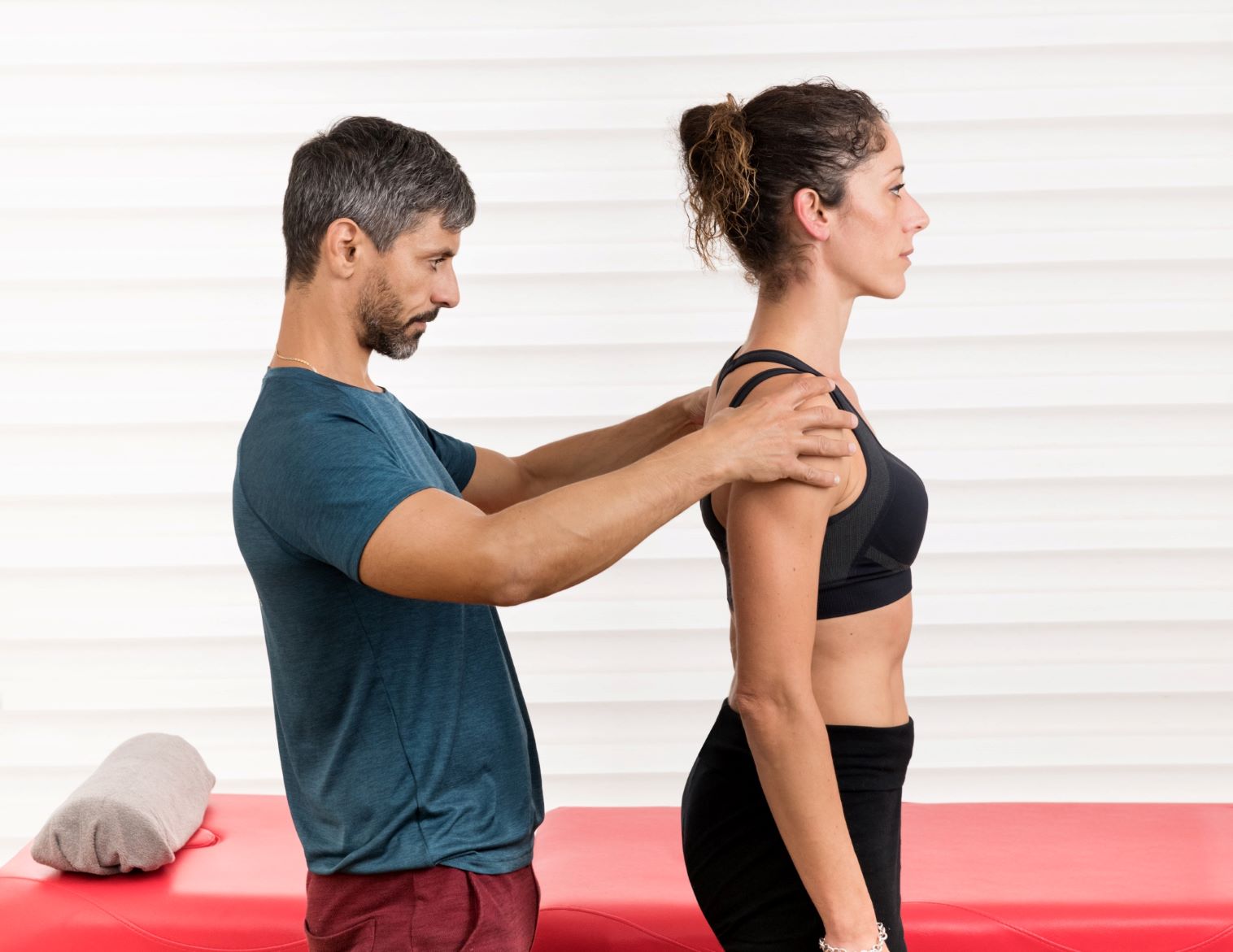
Postural Re-education
Good posture isn’t just about standing up straight; it’s about aligning your body so that it works efficiently without strain. Postural re-education can help relieve pain and prevent injuries related to poor posture.
Ergonomic Adjustments
Making changes to your work and home environments can greatly reduce the stress on your body. Simple adjustments like the height of your chair or the position of your computer monitor can make a significant difference in how you feel at the end of the day.
We’ve covered a lot of ground, but there’s still more to explore. In the next sections, we’ll delve deeper into the rehabilitation process, setting goals, and long-term wellness strategies. Stay tuned as we continue to unravel the full scope of physical therapy and how it can revolutionize your approach to health and rehabilitation.
Physical therapy is a beacon of hope for many who are looking to recover and rehabilitate. It’s not just about getting better; it’s about achieving the best possible state of physical well-being. Therefore, let’s break down the phases of physical therapy rehabilitation, which is a structured journey to full recovery.
Phases of Physical Therapy Rehabilitation
Initial Assessment and Diagnosis
The first step in any physical therapy program is a comprehensive assessment. During this phase, your therapist will gather detailed information about your medical history, current condition, and specific concerns. This often involves a series of tests to evaluate your strength, range of motion, balance, and functional mobility. It’s crucial to pinpoint the exact issues so that a tailored treatment plan can be created.
The assessment is not just about identifying problems; it’s about setting a baseline to track your progress. It’s important to remember that this is a collaborative process. Your input and feedback are vital in shaping the direction of your therapy.
Customized Treatment Planning
After the initial assessment, a personalized treatment plan is developed. This plan is your roadmap to recovery, detailing the types of therapies you’ll undergo, the frequency of sessions, and the goals you’re working towards. These goals should be SMART: Specific, Measurable, Achievable, Relevant, and Time-bound. Because every person’s body and condition are different, your plan will be unique to you, designed to address your specific needs.
Active Rehabilitation
Active rehabilitation is where the real work begins. You’ll participate in various exercises and therapies during your sessions, all while being guided and monitored by your therapist. But it’s not just about what happens in the clinic; you’ll also be given exercises to do at home to continue your progress between sessions.
Progressive Care
As you progress through your treatment, your therapist will continuously assess your improvement and adjust your plan accordingly. This might mean increasing the intensity of your exercises, adding new techniques, or even scaling back if necessary. The goal is to ensure that your rehabilitation is always moving forward.
For example, if you’re recovering from a knee injury, you might start with gentle range-of-motion exercises before progressing to weight-bearing activities. Over time, you’ll build up to more challenging exercises that simulate your daily activities or specific sports.

Home Exercise Programs
Home exercise programs (HEPs) are an essential part of your rehabilitation. These are exercises prescribed by your therapist for you to do on your own. The success of your therapy doesn’t just rely on the work done during your sessions; it also hinges on your commitment to these home exercises. HEPs help reinforce the gains made during therapy and ensure continued progress.
For instance, if you’re working on improving your balance, your therapist might recommend standing on one leg while brushing your teeth or doing heel-to-toe walking exercises in a hallway at home.
Long-Term Wellness and Prevention
The final phase of physical therapy is about more than just completing your sessions; it’s about integrating the principles you’ve learned into your everyday life. This means maintaining the exercise routines, posture corrections, and ergonomic adjustments that have been established during your therapy. It’s about building resilience and reducing the risk of future injuries.
And remember, your therapist is there to support you even after you’ve completed your formal sessions. They can provide guidance on maintaining your physical health and advise you on any concerns that may arise in the future.
Empowering Your Rehabilitation Journey
Setting Realistic Recovery Goals
Setting realistic goals is fundamental to your rehabilitation process. These goals give you something to strive for and a way to measure your success. They should be challenging yet attainable, pushing you to progress while still being within reach.
For example, if you’ve had hip replacement surgery, an early goal might be to walk with a walker. As you improve, your goal may evolve to walking unaided for a certain distance or climbing stairs without pain.
Tracking Progress and Successes
Monitoring your progress is key to staying motivated and on track. Celebrate the small victories along the way, as they add up to significant improvements over time. Whether it’s being able to walk farther than before, lifting heavier weights, or simply performing a daily task without discomfort, each success is a step forward in your recovery.
Using a journal or an app to track your exercises, pain levels, and functional improvements can be incredibly helpful. It allows you and your therapist to see how far you’ve come and what still needs work.
Continued Care Post-Rehabilitation
Once you’ve reached the end of your formal physical therapy program, the journey isn’t over. Maintaining the strength, flexibility, and mobility you’ve gained is a lifelong commitment. Continued care might involve periodic check-ins with your therapist, ongoing exercises, or joining a maintenance program or fitness class.
The key is to keep moving and stay active. Your therapist can help you find activities that you enjoy and that are safe for you to do long-term. This might include swimming, cycling, yoga, or even walking groups. The point is to find something that keeps you engaged and supports your long-term health.
Frequently Asked Questions (FAQ)
How Often Should I Attend Physical Therapy Sessions?
The frequency of your physical therapy sessions will depend on your individual condition and goals. Initially, you may need to attend therapy 2-3 times a week to gain momentum in your recovery. As you progress, the frequency might decrease. Your therapist will work with you to determine the best schedule for your needs.
Can Physical Therapy Completely Replace Surgery?
In some cases, physical therapy can help you avoid surgery altogether. For conditions like meniscal tears or low back pain, conservative treatment through physical therapy may be enough to alleviate symptoms and restore function. However, in other cases, surgery may be necessary, and physical therapy can be a vital part of pre-surgical preparation and post-surgical recovery.
What Conditions Can Physical Therapy Treat?
Physical therapy can address a wide range of conditions, including but not limited to:
- Sports injuries
- Post-operative rehabilitation
- Neurological disorders like stroke and Parkinson’s disease
- Chronic pain conditions like fibromyalgia and arthritis
- Cardiopulmonary conditions like COPD and post-myocardial infarction
Is Physical Therapy Only for Injury Recovery?
Absolutely not. Physical therapy is also about prevention and enhancement of physical performance. It can help you improve your posture, increase your strength and flexibility, and even enhance your sports performance.
What Should I Wear to My Physical Therapy Sessions?
You should wear comfortable clothing that allows for easy movement and provides access to the area being treated. Athletic wear, such as shorts and a t-shirt, is often a good choice. Also, wear appropriate footwear, especially if you’ll be performing exercises that require good support.
By now, you should have a good understanding of what physical therapy involves and how it can help you on your road to recovery. Remember, physical therapy is a partnership between you and your therapist. Together, you can work towards achieving your health goals and ultimately enhance your quality of life.
Active Rehabilitation
Active rehabilitation is the dynamic phase where you take an active role in your recovery. This is when you’ll start to feel the benefits of all your hard work, as your body begins to heal and strengthen. It’s not just about the exercises you do in the clinic; it’s also about applying what you learn to your daily life.
During this phase, you’ll work closely with your therapist to fine-tune your program. This ensures that every movement, every exercise is helping you move towards your goal of full recovery.
Progressive Care
Progressive care means that as you get stronger and more capable, your therapy program evolves. It’s a gradual process that safely pushes the boundaries of what you can do. For example, if you’re recovering from a knee injury, you might start with seated exercises before progressing to standing exercises, and eventually to jumping and running.
Home Exercise Programs
What you do outside of therapy sessions is just as important as the work you do with your therapist. Home exercise programs are tailored to your specific needs, and they’re crucial for making continuous progress. These exercises ensure that you’re not only maintaining the gains you’ve made but also building upon them.
Long-Term Wellness and Prevention
Physical therapy doesn’t end when your sessions are over. Long-term wellness and injury prevention are the ultimate goals. This phase is about integrating the exercises and habits you’ve learned into your everyday life to maintain and improve your physical health. It’s about making a commitment to yourself and your well-being.
Empowering Your Rehabilitation Journey
Your journey through physical therapy is one of empowerment. With each session and each exercise, you gain more control over your recovery and your health. This empowerment comes from setting goals, tracking your progress, and knowing that you have the tools to maintain your health even after therapy ends.
Setting Realistic Recovery Goals
Setting goals gives you direction and motivation. These goals should be achievable and time-bound, like being able to walk a certain distance within a few weeks or improving your balance enough to stand on one leg. These goals are the milestones on your road to recovery.
Tracking Progress and Successes
Keeping track of your progress helps you see just how far you’ve come. It’s not just about reaching your final goal; it’s about celebrating every step you take along the way. This could be measured in the increased range of motion, decreased pain, or the ability to perform an activity that was previously impossible.
Continued Care Post-Rehabilitation
Once your formal therapy ends, your continued care begins. This might mean checking in with your therapist periodically, participating in a maintenance program, or simply continuing your home exercises. The key is to keep moving and stay active to maintain the level of health you’ve worked so hard to achieve.
Remember, the end of therapy is just the beginning of a healthier, more active lifestyle. You’ve learned the tools and techniques to take care of your body, and now it’s up to you to use them.
Frequently Asked Questions (FAQ)
As you embark on or continue your physical therapy journey, questions are bound to arise. Here are some answers to common inquiries that might help you navigate the process with confidence.
How Often Should I Attend Physical Therapy Sessions?
The frequency of your physical therapy sessions will depend on the severity of your condition and your specific goals. Typically, sessions start off more frequently, such as two to three times a week, and decrease as you make progress. Your therapist will recommend a schedule that’s tailored to your individual needs.
Can Physical Therapy Completely Replace Surgery?
For some conditions, physical therapy can serve as an alternative to surgery. It can alleviate symptoms and improve function to the point where surgery is no longer necessary. However, for other conditions, surgery may be unavoidable. In these cases, physical therapy is critical for pre- and post-operative care.
What Conditions Can Physical Therapy Treat?
Physical therapy can treat a wide variety of conditions, including but not limited to:
- Orthopedic injuries like fractures and sprains
- Neurological conditions such as stroke and multiple sclerosis
- Chronic pain disorders including fibromyalgia and arthritis
- Cardiopulmonary diseases like COPD and heart disease
- Post-operative care for surgeries such as joint replacements
Is Physical Therapy Only for Injury Recovery?
Not at all. While injury recovery is a significant part of physical therapy, it’s also about improving overall physical function, preventing future injuries, and enhancing quality of life. It’s for anyone looking to improve their physical health, regardless of their age or fitness level.
What Should I Wear to My Physical Therapy Sessions?
You should wear comfortable, loose-fitting clothing that allows for easy movement and gives the therapist access to the area being treated. Supportive footwear is also important, especially if you’ll be doing exercises that require good balance and stability.