17 August 2024
Find a Local Dentist: Your Nearby Dental Clinic Guide & Tips
- Let’s face it—finding a dentist can feel like one of those tasks you keep pushing down the to-do list. It’s important, you know that. But between busy schedules and not really knowing where to start, it’s easy to put off. Here’s the truth, though: the right dentist isn’t just someone who cleans your teeth. They’re someone you’ll rely on for years, especially when real issues pop up. It’s worth finding someone you trust.So how do you actually do that?
Let me walk you through it—like a friend who’s been through the process, made the mistakes, and figured out what really matters along the way.
Start by Asking: What Do You Need?
We all have different reasons for looking up a dentist. Maybe you’re overdue for a cleaning. Maybe you’ve got a nagging toothache that’s suddenly become impossible to ignore. Or maybe you just moved and need to find someone new.
Whatever your situation, start by getting clear on what matters to you. Do you need flexible hours? A provider who’s great with anxious patients? A family-friendly office with weekend appointments? Knowing your non-negotiables makes everything easier.
What Actually Makes a Great Dentist?
It’s more than just having the right degrees on the wall—though that definitely matters. The best dentists combine technical skill with empathy and clarity. You should walk out feeling heard, cared for, and confident about your next steps.
Here are some things to pay attention to:
- Location & convenience: Is it close to work, school, or home? Easy parking or transit access?
- Services offered: Do they do more than just cleanings—things like crowns, implants, or cosmetic work?
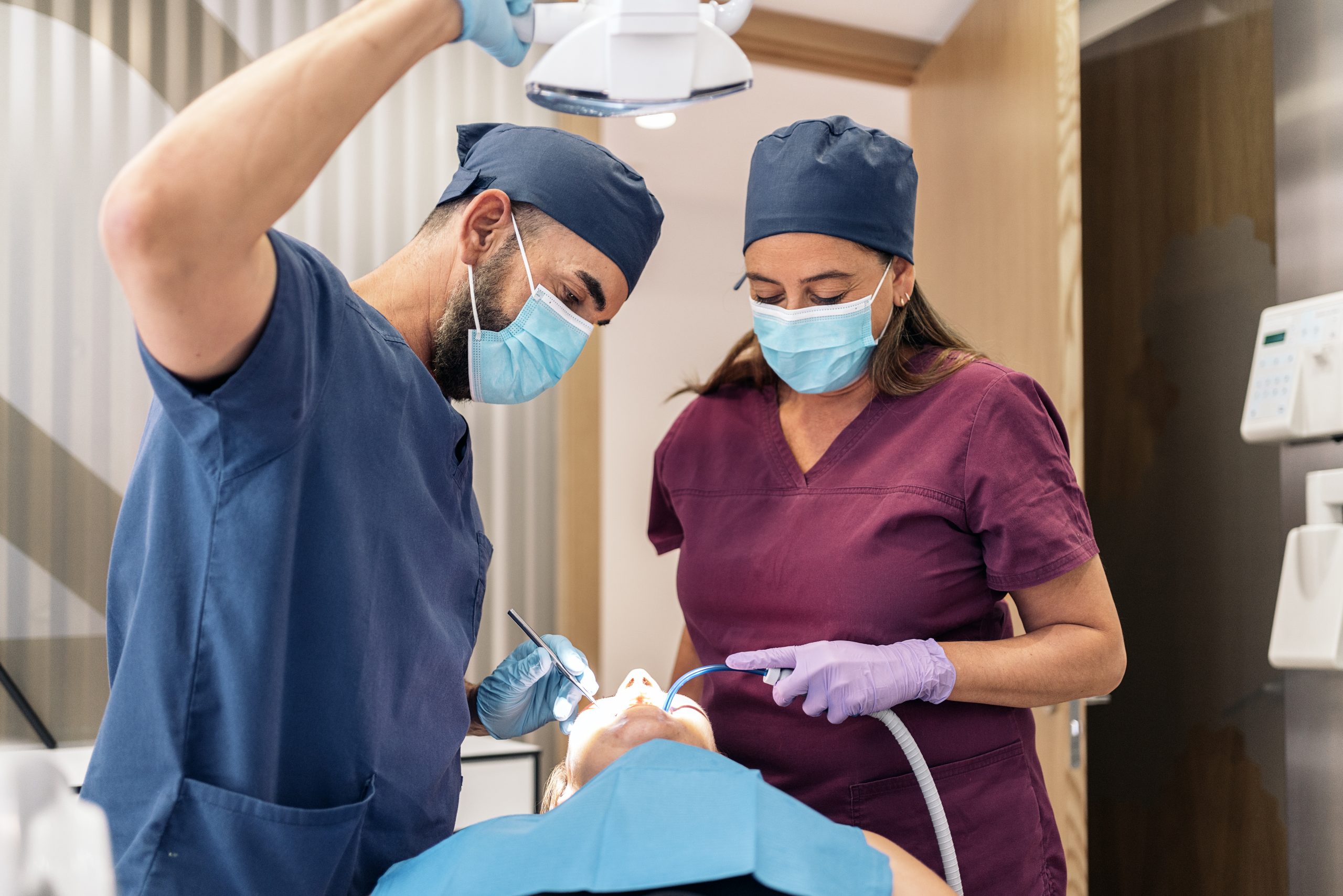
- How they make you feel: Does the office feel calm, friendly, and clean?
- What others are saying: Google reviews can be telling. Look for consistent praise around staff friendliness, clear communication, and quality results.
- Technology: Modern tools usually mean better accuracy, faster appointments, and less discomfort.
These things add up. You want a practice that feels like they’re not just taking care of your teeth—but taking care of you.
-
Don’t Just Google “Dentist Near Me” (At Least, Not Without Doing This…)
Yes, that quick search is a starting point. But don’t stop there. Visit their website. Read the provider bios. Look at the photos—do you get a warm, professional vibe? Most importantly, trust your gut. If something feels off, it probably is.
A Quick Primer on Dental Services (So You Don’t Feel Lost)
Even if you just need a basic cleaning now, life happens—and your dental needs might shift. Here are some common services it helps to be aware of:
- Preventive care (cleanings, exams, fluoride)
- Restorative care (fillings, crowns, bridges)
- Cosmetic dentistry (whitening, veneers, bonding)
- Orthodontics (braces or clear aligners like Invisalign)
- Gum treatment (for gum disease or recession)
- Root canals
- Dental implants or extractions
Not every clinic offers everything, so make sure the ones you’re considering match your potential needs.
What About the Cost?
This is one of the biggest concerns people have—and understandably so. Dental care can be expensive, especially without insurance. The good news? Most dental offices are used to working with different financial situations. Many offer:
- Transparent pricing estimates
- Payment plans or financing
- Discounts for paying out-of-pocket
- Help navigating your insurance
If you’re in Georgia, there are also dental schools and community clinics that offer lower-cost care. Don’t be afraid to ask—any good provider will be happy to talk through your options without pressure or shame.
Importance of Dentist Credentials and Expertise
The expertise of your dentist matters. A well-trained dentist can provide more accurate diagnoses, efficient treatment, and better outcomes. Look for dentists who have not only completed their dental education but also engage in ongoing training to stay up-to-date with the latest in dental care. Certifications and memberships in professional organizations can also be indicators of a dentist’s commitment to their craft.
Modern Dental Technologies and Treatments
Advancements in dental technology have revolutionized patient care. From digital X-rays that reduce radiation exposure to laser treatments that improve precision and healing, modern technologies can make a significant difference in your dental experience. When evaluating a dental clinic, inquire about the technologies they use and how they benefit patients. The use of cutting-edge equipment is often a sign of a clinic that’s invested in providing the best care possible.
Financial Considerations for Dental Services in Georgia
Understanding the cost of dental care is crucial for making informed decisions about your oral health. While prices can vary widely depending on the type of treatment and the clinic, getting a clear breakdown of costs upfront can help you budget accordingly. Don’t be afraid to ask for detailed quotes and explore different payment options.
Insurance Acceptance and Payment Options
One of the first questions you should ask a potential dental clinic is whether they accept your insurance. This can make a big difference in your out-of-pocket costs. Additionally, some clinics offer flexible payment plans or financing options to make dental care more affordable. It’s important to have a clear understanding of these options before you commit to a treatment plan. Many clinics also offer cash discounts or have partnerships with third-party financing companies. Be sure to ask about all available options to take full advantage of any savings or payment plans.
Finding Affordable Dental Care Without Compromising Quality
Finding affordable dental care does not mean you have to compromise on quality. There are many ways to access cost-effective treatments without sacrificing the standard of care. Here are some tips:
- Look for dental schools in your area that offer services at a reduced cost.
- Consider community health centers or nonprofit organizations that provide affordable dental care.
- Check if your dentist offers a sliding scale fee structure based on income.
- Explore discount dental plans as an alternative to traditional insurance.
For example, a local dental school clinic may offer routine cleanings and exams at a fraction of the cost of private practices, providing both affordability and quality care under the supervision of experienced professionals.
Preparing for Your Dental Appointment
Being well-prepared for your dental appointment can help ensure a smooth and successful visit. Gather any recent dental records, a list of current medications, and your insurance information to bring with you. It’s also helpful to write down any questions or concerns you may have so you can discuss them with your dentist during the appointment.
Questions Worth Asking Before You Book
Before that first appointment, here are a few things worth checking:
- Do they accept your insurance?
- What’s their cancellation policy?
- Do they offer emergency care?
- How do they handle nervous patients or kids?
- Can you get a feel for their personality through a phone call or visit?
You’re allowed to be selective—this is your health, your comfort, your money. Ask questions. Advocate for yourself.
Before Your First Visit: A Quick Checklist
To make things smoother on day one, bring:
- Your ID and insurance card (if applicable)
- A list of medications and any relevant medical history
- Any questions you want to ask
- Notes on dental issues you’ve had lately
And take a deep breath—it’s okay to be a little nervous. Just showing up is a big first step.
Take Care of Your Teeth Between Visits
No dental office (no matter how good) can replace daily care. So here’s your quick daily checklist:
- Brush twice a day with fluoride toothpaste.
- Floss every day—yes, really.
- Rinse if your dentist recommends it.
- Eat foods that support oral health (less sugar, more veggies).
- Replace your toothbrush every 3–4 months.
And—big one—don’t skip your checkups. Every 6 months is ideal unless your dentist suggests otherwise.
One Last Thought
The right dentist won’t just treat your teeth. They’ll help you feel comfortable, informed, and in control of your health. That kind of relationship is worth looking for—and once you find it, it makes a world of difference.
So take the next step. Ask around. Make a few calls. Book that first visit. Your future self—with a healthier smile and a lot less dental anxiety—will thank you.