9 April 2024

Key Takeaways
- Osteopathic doctors (DOs) offer a whole-person approach to healthcare, focusing on the body, mind, and spirit.
- Four core principles guide DOs: the body is a unit, the body is capable of self-regulation and self-healing, structure and function are interrelated, and treatments are based on these principles.
- Osteopathic Manipulative Treatment (OMT) is a hands-on technique used by DOs to diagnose and treat various conditions.
- Preventative medicine is a cornerstone of osteopathic care, aiming to maintain health and prevent disease.
- Choosing an osteopathic doctor involves looking for licensed professionals who align with your health goals and offer a holistic approach to wellness.
Embracing a Whole-Person Approach to Health
When you walk into the office of an osteopathic doctor, you’re stepping into a space where your health is viewed through a holistic lens. Here, you aren’t just a collection of symptoms to be treated; you’re a complete person with interconnected physical, mental, and spiritual needs. This is the essence of osteopathic medicine—a form of healthcare that blends modern science with a touch of humanism, all designed to promote optimal health.
What Does an Osteopathic Doctor Do?
Imagine visiting a doctor who doesn’t just focus on the problem area but considers your entire lifestyle—from your eating habits to your stress levels. That’s what osteopathic doctors do. They are fully licensed physicians who can prescribe medication and perform surgery, but they also use a unique set of tools to improve patient health. These include hands-on techniques to alleviate pain, restore motion, and support the body’s natural ability to heal itself.
Understanding the Four Core Osteopathic Principles
- The human body is a fully integrated unit.
- The body possesses self-regulatory mechanisms and is naturally inclined towards health and self-healing.
- Structure and function are reciprocally interrelated.
- Rational treatment is based upon these principles.
These principles aren’t just abstract concepts; they’re the foundation of every interaction you’ll have with a DO. Whether you’re dealing with chronic pain or seeking preventive care, these principles guide the osteopathic approach to ensure your treatment is tailored to you as a whole person.
Let’s dive deeper into the unique benefits that an osteopathic doctor brings to the table.
Osteopathic Techniques Decoded
Osteopathic medicine is synonymous with a unique set of techniques that set it apart from conventional medicine. These are not just alternative methods but are scientifically recognized practices that address various health issues by focusing on the musculoskeletal system.
Osteopathic Manipulative Treatment (OMT)
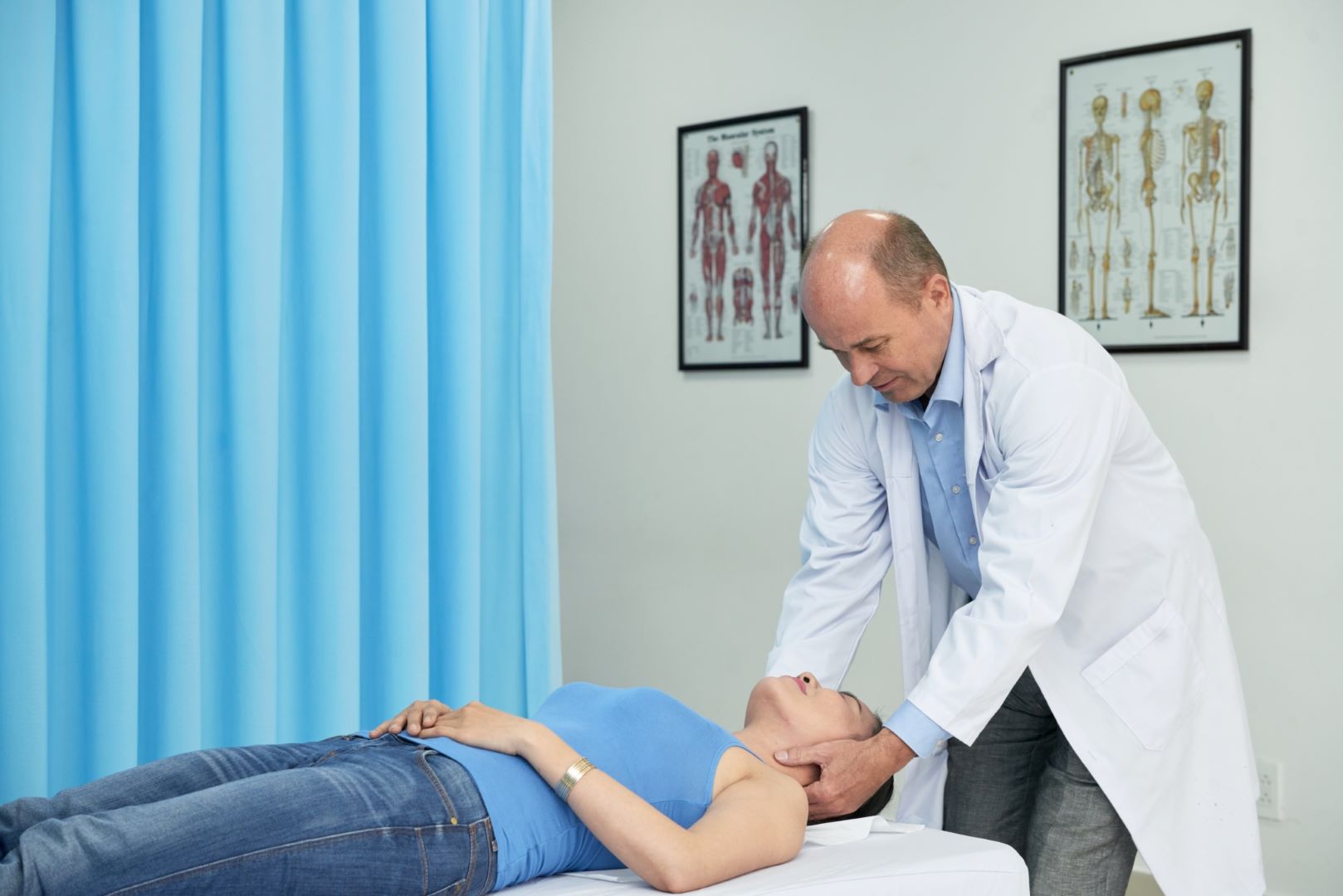
At the heart of osteopathic techniques lies Osteopathic Manipulative Treatment, or OMT. This is a hands-on approach where osteopathic doctors use their hands to diagnose, treat, and prevent illness or injury. Using OMT, a DO moves a patient’s muscles and joints using techniques that include stretching, gentle pressure, and resistance. But why is this important?
Well, because OMT can help treat all sorts of ailments. From back pain and headaches to asthma and sinus disorders, the application of OMT is vast. It’s not about cracking bones or some magical touch; it’s about understanding the body’s structure and functions to promote healing and well-being.
Think of OMT as a tool that can unlock your body’s potential to heal itself. It’s particularly beneficial for pain management, increasing range of motion, and enhancing circulation, which are essential components for recovery and health maintenance.
Here’s an example to illustrate:
Imagine someone with persistent lower back pain. Through OMT, a DO might find that the real issue isn’t just the back muscles but perhaps an imbalance in the patient’s posture or even tightness in the leg muscles affecting the back. By treating the interconnected areas, the patient experiences comprehensive relief, not just a temporary fix.
Integrating Osteopathic Techniques with Modern Medicine
Osteopathic doctors don’t shun modern medicine; in fact, they integrate it seamlessly with osteopathic techniques. This means that while they might use OMT, they also stay abreast of the latest medical research, utilize cutting-edge technology for diagnostics, and prescribe medication when necessary. It’s a comprehensive approach that marries the best of both worlds—traditional and modern—for optimal patient care.
Healing Beyond Symptoms: Osteopathic Medicine in Practice
One of the most compelling aspects of osteopathic medicine is its commitment to treating the whole person, not just the symptoms. This philosophy extends beyond the physical to include emotional and spiritual health, recognizing that all these elements are interconnected and play a role in overall wellness.
A Look into an Osteopathic Consultation
Your first visit to a DO might feel a bit different from other doctor visits. They’ll spend time talking with you, not just about your symptoms but about your lifestyle, stress, diet, and other factors that could be influencing your health. They’re building a complete picture of you as a person, which is crucial in crafting a personalized treatment plan.
Case Studies: Success Stories in Osteopathic Medicine
There are countless stories where osteopathic medicine has made a significant difference in people’s lives. Take, for example, a patient with chronic migraines who found relief through OMT after years of unsuccessful treatments. Or consider athletes who have improved their performance and recovered faster from injuries with the help of osteopathic care. These are real-life affirmations of the impact that a holistic approach to health can have.
Choosing Your Path to Wellness
Deciding to pursue osteopathic care is a step toward a more holistic approach to your health. But how do you choose the right DO for you? Look for someone who is not only qualified but also resonates with your health philosophy and is willing to partner with you on your journey to wellness.
Finding and Selecting an Osteopathic Doctor
Finding the right DO involves a bit of research. You’ll want to ensure they’re fully licensed and have the expertise that aligns with your health needs. It’s also wise to read reviews and, if possible, talk to current or former patients. When you meet potential DOs, pay attention to how well they listen and whether they view health as a collaborative effort. Remember, your comfort and confidence in their approach are paramount.
By embracing the principles of osteopathic medicine, you’re choosing a path that considers your complete well-being. It’s a journey that recognizes you as a whole person and empowers you to take charge of your health, with a DO as your guide and partner.

Preparing for Your Osteopathic Journey
Before your first osteopathic appointment, it’s important to gather any medical records relevant to your condition. Write down any symptoms, even those that seem unrelated, as they can help your DO in the diagnostic process. It’s also helpful to note any lifestyle habits, such as diet, exercise routines, and stress levels, as these can all influence your health. Approach this visit with an open mind, ready to explore the interconnectedness of your health.
FAQ
When considering osteopathic care, you likely have questions about how it fits into the broader healthcare landscape. Let’s address some of the most common inquiries to clarify the role and benefits of osteopathic medicine.
Osteopathic doctors, or DOs, are fully licensed physicians who have the same medical rights as MDs, including prescribing medications and performing surgeries. The key difference lies in their approach. DOs are trained to look at the whole person and use osteopathic manipulative treatment as part of their practice, which is a hands-on method to help the body heal itself.
How Do Osteopathic Doctors Differ From MDs?
Osteopathic doctors (DOs) and medical doctors (MDs) are both fully qualified physicians, but they differ in their approach to treatment. DOs practice a whole-person approach to healthcare, taking into account the body’s interconnected systems. They receive additional training in osteopathic manipulative medicine (OMT), which allows them to use their hands to diagnose, treat, and prevent illness.
Yes, osteopathic treatments can be particularly effective for managing chronic pain. OMT can help improve mobility, relieve muscle tension, and enhance circulation, which can lead to pain reduction. DOs also focus on preventive care and lifestyle factors that may contribute to chronic pain, offering a comprehensive strategy for pain management.
What Conditions Can Benefit from Osteopathic Care?
Osteopathic care is versatile and can benefit a wide range of conditions, including:
- Back and neck pain
- Joint pain and arthritis
- Headaches and migraines
- Asthma and respiratory issues
- Digestive problems
- Sinus disorders
- Stress and anxiety-related issues
- Sports injuries
Because DOs take a holistic view of the patient, they are also adept at addressing and preventing health issues that stem from or impact multiple body systems.
How Often Should You Visit an Osteopathic Doctor?
The frequency of osteopathic visits depends on your individual health needs and goals. Some patients may benefit from regular treatments, such as once a month, especially for chronic conditions. Others may only need to see their DO for periodic check-ups or when new health concerns arise. Your DO will work with you to determine the best schedule for your care.
Are Osteopathic Manipulative Treatments Safe for Everyone?
Osteopathic manipulative treatments (OMT) are generally safe for most people, including children, adults, and the elderly. However, there are certain situations where OMT might need to be modified or avoided, such as in patients with bone fractures, certain types of cancer, or those who have had recent surgery. Always discuss your full medical history with your DO to ensure OMT is safe for you.
In conclusion, osteopathic doctors offer a unique and comprehensive approach to healthcare, one that promotes healing and wellness by considering the whole person. By understanding the principles of osteopathic medicine and the benefits it can provide, you’re well-equipped to decide if this holistic path to health resonates with you. Remember, the journey to wellness is a partnership between you and your physician, and an osteopathic doctor could be the ally you need to achieve your health goals.